
Attraction You Cannot Fake: Why Tricks Stop Working in Week Two
The line lands. The routine gets a laugh. Then week two arrives and the structure falls apart. Tricks have a shelf life because they manage her perception without changing the man underneath.
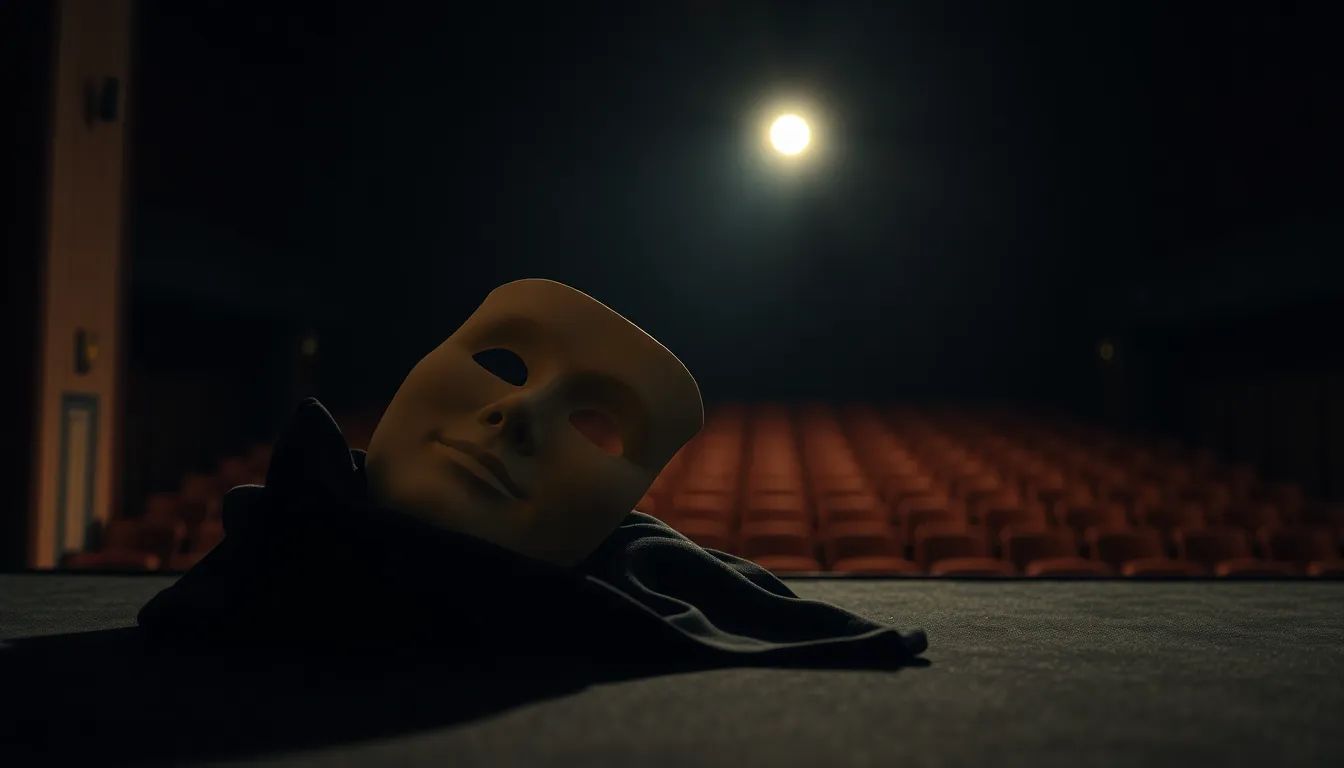
The opener works. He uses the line he found online, the one engineered to make her curious, and she laughs and leans in. The first date runs on a routine he has rehearsed: the story timed for the right beat, the callback joke, the planned moment of stepping back to make her chase. It goes well. The second date goes a little less well. By the third, something has shifted that he cannot name, and she replies slower, and then she does not reply at all. He concludes he needs a better line. He has misread the entire situation.
Tricks do not fail because they are bad tricks. They fail because of what they are for. A tactic manages her perception of you in a single moment. It does nothing to the man standing behind the perception. This piece argues that attraction worth having is a readout of who you actually are over time, which is precisely the thing no line can fake, and why every man who builds his game on tactics is on a clock he cannot see.
What a trick actually is, and what it is not
A pickup line, a negging comment, a memorised routine, a manufactured display of disinterest. Strip the labels and they are all the same move: a short performance designed to produce a feeling in her that the man has not earned in reality. The line borrows wit he may not have. The routine borrows ease he may not feel. The display of disinterest borrows an abundance of options he does not actually possess.
The borrowing is the whole problem. Every trick opens a gap between the signal he is sending and the man sending it. On the first night the gap is invisible, because she has no other data and the performance is all she can see. The trick is essentially a loan taken out against a version of him that does not exist yet. Like any loan, it comes due.
Contrast that with a man who is genuinely curious about people. He does not need an opener, because a real question occurs to him without effort. He is not borrowing wit. He is spending his own. Nothing he shows on the first night has to be maintained later, because none of it was performance. That is the line between a tactic and a trait, and it decides everything that happens next.
Why pickup lines and tricks do not work long term
Pickup lines and tricks do not work long term because they create attraction to a performance, and the performance cannot be sustained once real contact begins. Early attraction runs on a thin slice of information, so a good trick can spike it fast. But as she spends hours with him across dates, texts, and unscripted moments, she gathers a far richer signal about who he consistently is, and that slower signal overwrites the first impression completely. The man cannot keep performing through every ordinary moment of getting to know someone, so the real him surfaces, and the gap between the performance and the person becomes the thing she notices. Attraction does not fade because she lost interest in the trick. It fades because she finally met the man the trick was hiding.
Week two is roughly when this happens, because that is about how long a man can hold a performance before the seams show. The rehearsed confidence cannot survive the first genuinely awkward silence. The manufactured disinterest cracks the moment he actually starts to like her and gets needy. The borrowed wit runs dry once he has used the material. She does not consciously catch him in the act. She simply registers that the man in front of her now is not the man from the first night, and the dissonance reads to her as something being off.
Women are calibrated to detect exactly this gap, because for most of human history a man's reliability mattered more than his opening night. The instinct that flags a charming stranger as too smooth is not paranoia. It is a finely tuned instrument for spotting the distance between display and substance, and it gets sharper the longer she watches.
The negging example: a trick that poisons its own well
Take the most infamous tactic of the lot. Negging is the backhanded comment meant to knock a woman slightly off balance so she works for the man's approval. On paper it can produce a flicker of reaction. In practice it carries a payload the man never reads in the manual. The comment signals that he believes he must drag her down to stand level with her, which is the exact opposite of what an actually self-assured man would ever need to do.
So even when negging appears to work in the moment, it has already told the truth about him. A woman might be briefly intrigued and still walk away three dates later with a vague sense that he was insecure, without ever connecting it to the comments. The trick failed to build attraction and did something worse besides. It actively transmitted the insecurity it was designed to hide. This is the deeper reason the manosphere playbook keeps producing men who can get a first date and never a fourth: the tactics broadcast the wound.
Every tactic carries a payload like this. Memorised routines signal that he cannot trust a real conversation to carry itself. Performed aloofness signals that he is afraid of showing he cares. The content of the trick is almost beside the point. The fact that he reached for a trick at all is the message she ends up receiving.
What survives week two, and why it cannot be faked
If tricks decay, what is left standing after the honeymoon of the first impression burns off? The things that are load-bearing rather than decorative. A man who is genuinely good company because he finds people interesting. A man with a direction in his life that he was pursuing long before she appeared and will pursue after. A man whose calm under an awkward pause is real, because he has actually made peace with the possibility of this not working out. None of these can be performed for a single night, which is exactly why none of them collapse in week two.
Consider two men on identical first dates. The first runs a flawless routine and the second simply talks, asks real questions, says a few honest things, and lets a couple of silences sit without panic. On night one the routine may well outperform. By the fourth date the comparison has inverted entirely, because the second man has nothing to maintain and the first man is exhausted from holding up a character. The second man was not better at dating. He was just being read accurately, and what got read was worth being attracted to.
This is why the work that actually moves a man's attractiveness looks nothing like learning lines. It looks like becoming someone whose ordinary, unperformed presence is already compelling, so that the longer she looks, the better it gets rather than the worse. The whole reason pickup lines do not matter is that they operate on the wrong timescale entirely.
The trade every man with tricks is making
Here is the part that should sting in a useful way. The hours a man pours into memorising openers and studying routines are hours stolen from the only project that actually pays out: becoming a man who does not need them. Every evening spent rehearsing lines is an evening not spent building the direction, the curiosity, or the genuine ease that would make the lines redundant. The tactics are not a shortcut to attractiveness. They are a detour around it that happens to feel like progress because it produces the occasional first-date win.
There is also a quieter cost. A man who relies on tricks never gets to find out if he is wanted, because he never lets her meet him. He gets to find out if his performance is wanted, which is a hollow result even when it works, since he has to keep performing to keep her, and a relationship built on a maintained character is a tiring place to live. The man who skips the tricks risks more rejection up front and earns a far better thing in return: when it works, it is him being chosen. The difference between chasing the appearance of strength and actually carrying it is the difference between every tactic and the man who needs none.
A trick manages her perception for one night. The man underneath it has to live with her for all the others. Attraction that lasts is a readout of the man, and the man is the one thing no line can fake.
The short version
- Tricks fail not because they are bad tricks but because they manage her perception in a moment while doing nothing to the man behind it.
- Early attraction runs on thin information, so a trick can spike it fast. Over weeks she gathers a richer signal that overwrites the first impression.
- Week two is roughly the limit of how long a man can hold a performance before the real him surfaces and the gap becomes the thing she notices.
- Every tactic carries a payload. Negging broadcasts the insecurity it was meant to hide. Reaching for a trick is itself the message she receives.
- What survives is load-bearing: real curiosity, a direction of your own, genuine calm. None can be faked for a night, so none collapse later.
The CGull position is blunt about this. There is no line, no routine, and no shortcut that survives contact with the second month, because attraction that holds is a byproduct of the man and not a thing you do to a woman. That is the argument at the centre of Princess Knot: stop trying to trigger attraction and start becoming the man it points at, because only one of those still works in week two.